Understanding how to correctly read VDO gauges can prevent costly engine damage, misdiagnosis, and unsafe operating conditions. Whether you are running a passenger car, a commercial truck, or heavy equipment in and around Brisbane, QLD, knowing what your VDO Gauges are telling you is a fundamental skill every operator should have.
What VDO Gauges Actually Measure
VDO gauges give real-time readings of your vehicle or equipment’s critical operating systems. Each gauge in a VDO instrument cluster monitors a specific parameter and communicates with a matching sender unit installed in the engine or fuel system. The sender converts a physical condition, such as temperature, pressure, or fluid level, into an electrical signal that the gauge displays on its dial.
The most common types include speedometers and odometers for tracking road speed and distance, tachometers for monitoring engine RPM, oil pressure gauges for watching lubrication health, water temperature gauges for coolant temperature, fuel gauges for tank levels, voltmeters for electrical system charge, and pyrometers for exhaust gas temperatures on diesel and high-performance engines.
Each gauge has a specific operating range printed on its face. Understanding that range is the first step to reading it correctly.
How to Read Each Gauge Type Correctly
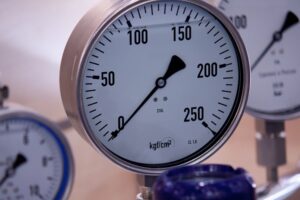
Most VDO gauges use an analog needle that sweeps across a numbered or color-zoned dial. Here is how to approach each type:
Oil Pressure Gauges
Normal oil pressure sits in the mid-range during regular engine operation. At startup, pressure may briefly spike toward the upper end before settling. A needle that stays low or drops toward zero while the engine is running signals a serious lubrication problem requiring immediate attention. A needle that pegs to maximum can sometimes indicate a sender unit mismatch rather than actual over-pressure, so always verify the sender is compatible with your gauge model.
Water Temperature Gauges
The needle should sit comfortably in the middle zone once the engine reaches normal operating temperature. A reading that climbs into the upper zone and stays there may indicate overheating. Readings that remain unusually low for extended periods can suggest a thermostat issue. Always allow the engine to warm up before making judgments about temperature gauge readings.
Fuel Gauges
VDO fuel gauges rely on a sender unit inside the tank that changes electrical resistance as fuel level drops. A reading at or below empty means the tank is critically low and refueling should happen promptly. The fuel gauge may not respond instantly after refueling, as it can take a short time for the float arm to settle and the needle to update.
Tachometers
The tachometer shows engine speed in RPM. For most vehicles, the red zone begins above the engine’s safe operating limit. Consistently running near the red zone may contribute to accelerated engine wear. VDO tachometers can be field-programmed to suit 4, 6, or 8-cylinder engines, so confirm the calibration setting matches your engine configuration.
Voltmeters
A healthy charging system typically produces a reading between 13.5 and 14.5 volts while the engine is running. A reading below 12 volts at idle may indicate the alternator is not charging properly. A reading significantly above the normal range can point to a voltage regulator issue.
Why Readings Can Be Inaccurate
Gauge readings are only as reliable as the sender unit behind them. A mismatched sender is one of the most common causes of confusing or inaccurate gauge readings. VDO gauges are calibrated to work with specific sender resistance ranges, and pairing a gauge with the wrong sender can cause the needle to peg at maximum, read falsely low, or fail to move at all. Always confirm the sender’s resistance range matches the gauge specification before assuming a mechanical fault.
Other factors that affect accuracy include poor grounding, corroded wiring connections, and worn sender units. If a gauge behaves erratically or reads well outside its normal range, the sender should be one of the first things checked. Operators in Brisbane, QLD, can benefit from having their VDO Gauges professionally inspected if readings seem inconsistent with the vehicle’s actual condition.
Spotting a Problem Before It Becomes Serious
A gauge reading outside the normal zone is your first warning sign. Watching for abnormal readings before they become serious faults can help you avoid expensive repairs or dangerous failures.
Oil pressure that drops suddenly at operating temperature may indicate a leak, pump failure, or low oil level. Water temperature climbing into the red zone should prompt you to stop the engine and investigate before continuing. A voltmeter reading dipping below 12 volts while driving may suggest the battery is not being charged. A fuel gauge that jumps erratically may point to a failing sender rather than an actual fuel problem.
Regularly cross-checking gauge readings with each other also helps. A sudden drop in oil pressure alongside rising water temperature is a more serious combined warning than either reading alone.
Ready to Get Expert Help With Your VDO Gauges in Brisbane?
Able Instrument Service, based in Loganholme and proudly serving Brisbane, QLD, is a trusted VDO service agent with over 30 years of experience in automotive and commercial instrumentation. Whether you need a new gauge, a replacement sender unit, or help diagnosing an unusual reading, the team can help you find the right solution. Visit the VDO Gauges page to explore the full range available, or reach out through the contact page to discuss your requirements. Call (07) 3801 1232 to speak with the team directly.